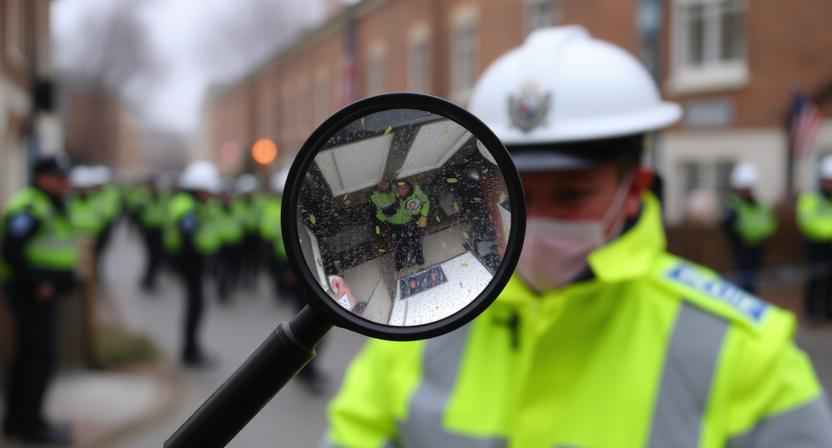
Applied Criminal Profiling Techniques
Applied criminal profiling. Crime scene analysis, offender typologies, and geographic profiling.
Course Description
This course covers applied criminal profiling techniques. You will learn crime scene analysis, offender typologies, geographic profiling, and how to construct criminal profiles from behavioral evidence.
Course Curriculum
5 sections • 13.25 hours total length
-
How Criminal Profiling Actually Works (12m)
Separate fact from fiction and understand the real-world application of profiling in modern investigations.
-
The Four Major Profiling Methods Explained (18m)
Compare inductive, deductive, typological, and behavioral approaches with practical examples.
-
Crime Scene Characteristics and Classification (22m)
Step-by-step guide to identifying organized, disorganized, and mixed crime scene indicators.
-
Victimology: Building the Victim Profile (16m)
Learn how to analyze victim lifestyle, risk level, and relationship to the offender.
-
The Role of Forensic Evidence in Profiling (14m)
Understand how DNA, trace evidence, and wound patterns inform behavioral conclusions.
-
Cognitive Bias and Investigative Thinking (20m)
Real case study analysis of confirmation bias and tunnel vision in major investigations.
-
Legal Boundaries and Ethical Considerations (15m)
Downloadable checklist for staying within professional scope and maintaining admissible documentation.
-
Modus Operandi vs. Signature Behaviors (19m)
Practical framework for distinguishing routine actions from expressive behaviors.
-
Staging and Deception Detection (25m)
Problem-solving session on identifying false crime scenes and misleading evidence.
-
Wound Pattern Analysis and Behavioral Meaning (28m)
How weapon choice, wound location, and force level reveal offender characteristics.
-
Time-of-Offense Analysis Techniques (13m)
Downloadable template for reconstructing timelines and offender opportunity windows.
-
Geographic Profiling Fundamentals (21m)
Understanding distance decay, anchor points, and hunting patterns in spatial analysis.
-
Interviewing for Profiling Information (17m)
Specific questioning techniques to gather behavioral data from witnesses and family.
-
Documenting Your Behavioral Hypothesis (16m)
Step-by-step guide to writing defensible, clear profiling reports for your team.
-
Working with Multidisciplinary Teams (12m)
Real case study analysis of successful profiler-detective-forensic collaboration.
-
Assessing Offender Age and Experience Level (20m)
Behavioral indicators that reveal whether you're dealing with a novice or experienced offender.
-
Employment Status and Skill Sets (18m)
How job type and technical skills manifest in crime scene behavior and planning.
-
Relationship Patterns and Intimacy Issues (23m)
Downloadable framework for analyzing offender relationship history and social functioning.
-
Mental Health Indicators in Crime Scenes (26m)
Problem-solving session on recognizing psychopathology without making armchair diagnoses.
-
Substance Use and Its Behavioral Signatures (15m)
Real case examples showing how drugs and alcohol affect planning and execution.
-
Post-Offense Behavior Patterns (19m)
What to look for in media involvement, return to scene, and contact with investigators.
-
Risk Assessment and Escalation Potential (24m)
Step-by-step guide to evaluating likelihood of repeat offenses and increasing violence.
-
Homicide Crime Scene Protocols (31m)
Comprehensive walkthrough of profiling homicide scenes from initial response to analysis.
-
Sexual Assault Evidence Integration (29m)
How to combine forensic medical evidence with behavioral analysis for offender assessment.
-
Arson and Fire Setting Behavior (27m)
Real case study analysis of motive, accelerant use patterns, and firefighter response manipulation.
-
Burglary and Property Crime Profiling (18m)
Practical techniques for analyzing entry methods, target selection, and stolen items.
-
Serial Offender Pattern Recognition (32m)
Downloadable template for tracking series crimes and identifying temporal patterns.
-
False Confessions and Profiling Validation (22m)
Problem-solving session on cases where profiling helped or hindered investigations.
-
Case Linkage and Connection Analysis (20m)
Step-by-step methods for determining if multiple crimes share the same offender.
-
When Profiling Fails: Limitations and Pitfalls (16m)
Honest assessment of profiling's boundaries and common investigative mistakes.
-
Building Your Behavioral Database (15m)
How to create and maintain a personal reference system from solved cases.
-
Training Exercises for Pattern Recognition (21m)
Practical drills and downloadable exercises to sharpen your observational skills.
-
Quality Control in Profiling Work (17m)
Real case study analysis of peer review processes and error checking.
-
Presenting Profiles to Prosecution Teams (19m)
How to translate behavioral findings into actionable intelligence for attorneys.
-
Court Testimony for Profilers (25m)
Step-by-step preparation guide for surviving cross-examination on profiling methods.
-
Continuing Education and Skill Maintenance (12m)
Downloadable resource list for staying current with research and best practices.
-
Technology Tools for Modern Profilers (18m)
Overview of software and databases that support behavioral analysis work.
-
Managing Investigative Stress and Burnout (14m)
Practical strategies for handling graphic content and maintaining professional boundaries.
-
Building Credibility with Your Department (16m)
Problem-solving session on demonstrating value and getting buy-in for profiling methods.
-
Case Review and Continuous Improvement (20m)
Real case study analysis of post-case review processes and lessons learned.
-
Next Steps: Specialization and Career Paths (13m)
Downloadable roadmap for advancing your profiling expertise and finding your niche.
Course Details
- Duration: 13.25 hours
- Level: Adaptative
- Language: English
- Lessons: 41+ video lessons
- Categories: Criminology
- Access: Lifetime access
- Device: Mobile & Desktop
- Certificate: Yes. After completion and Exam
The course is totally free. Seriously appreciated attribution