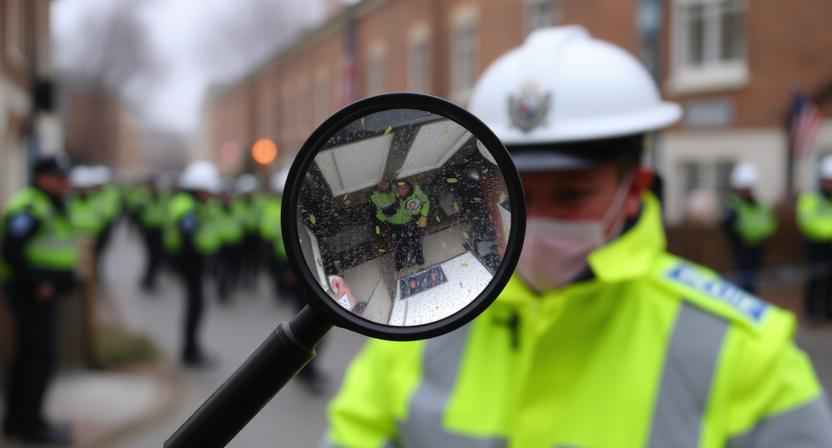
Crime Scene Investigation: Reality & Practice
Crime scene investigation. Evidence collection, forensic techniques, and crime reconstruction.
Course Description
This course covers crime scene investigation from theory to practice. You will learn evidence collection, forensic techniques, crime scene documentation, and how investigators reconstruct criminal events from physical evidence.
Course Curriculum
5 sections • 12.50 hours total length
-
Understanding the Real Crime Scene Process (12m)
Learn the step-by-step protocol for securing and assessing a crime scene, avoiding common mistakes from TV shows.
-
Essential Equipment for Field Investigators (8m)
Get a practical guide to the tools you actually need, from cameras to evidence kits, and why each matters.
-
Legal Considerations and Scene Preservation (15m)
Understand chain of custody and legal requirements to ensure evidence remains admissible in court.
-
Initial Scene Assessment: What to Look For (18m)
Walk through a real case study to see how to identify key evidence areas quickly and systematically.
-
Photography Basics for Crime Scenes (10m)
Learn how to document scenes effectively with your camera, including scale and overview shots.
-
Sketching and Mapping the Scene (14m)
Step-by-step guide to creating accurate sketches that complement your photos and notes.
-
Working with Law Enforcement: Team Dynamics (9m)
Practical tips for collaborating with police and other responders without compromising the scene.
-
How to Collect Biological Evidence Safely (22m)
Detailed methods for collecting blood, hair, and DNA samples while avoiding contamination.
-
Fingerprint Recovery: Real-World Methods (16m)
Learn powder, chemical, and alternate light source techniques with downloadable templates for logging.
-
Trace Evidence: Fibers, Hairs, and Particles (19m)
Understand how to gather tiny evidence that can link suspects to scenes, using case examples.
-
Ballistics and Firearms Evidence (25m)
Explore how to handle shell casings, bullets, and weapons, including safety protocols.
-
Digital Evidence: Phones and Devices at Scenes (20m)
Step-by-step process for securing and documenting digital devices found at crime scenes.
-
Time of Death Estimation: Practical Approaches (17m)
Learn the factors and methods used in the field, with a problem-solving session on a sample case.
-
Evidence Packaging and Labeling Standards (11m)
Downloadable guide to proper packaging to maintain evidence integrity for lab analysis.
-
Common Contamination Pitfalls and How to Avoid Them (13m)
Real-world examples of errors and how to prevent them, with a checklist for field use.
-
Documenting Your Work: Report Writing Basics (14m)
How to write clear, concise reports that stand up in court, with a template included.
-
Bloodstain Pattern Analysis: Beyond the Basics (24m)
Interpret blood spatter patterns to reconstruct events, using animated case studies.
-
Forensic Entomology: Using Insects to Solve Cases (28m)
How insects can provide clues about time and location, with a real case example.
-
Toxicology Reports: What They Reveal (21m)
Understand how to read and apply toxicology findings in your investigation.
-
Facial Reconstruction and Identification Methods (26m)
Learn the techniques used to identify unknown remains, including digital tools.
-
Fire Scene Investigation: Arson Basics (23m)
Step-by-step guide to assessing fire scenes and identifying accelerants.
-
Cold Case Review: Revisiting Old Evidence (30m)
Problem-solving session on how new tech can breathe life into cold cases.
-
Expert Testimony: Preparing for Court (18m)
How to present your findings clearly and confidently, with mock testimony practice.
-
3D Laser Scanning for Crime Scenes (22m)
See how 3D scanning creates accurate models, with a demo using common software.
-
Drones in Crime Scene Photography (15m)
Practical guide to using drones for aerial views and hard-to-reach areas.
-
Mobile Apps for Field Data Collection (12m)
Review apps that streamline evidence logging and reporting, with setup tips.
-
Geolocation and Digital Forensics Integration (20m)
How to combine physical evidence with digital data like GPS and cell records.
-
AI and Machine Learning in Pattern Recognition (25m)
Explore emerging tools that assist in analyzing fingerprints or DNA faster.
-
Virtual Reality for Scene Reconstruction (18m)
Learn how VR is used to recreate scenes for training and court presentations.
-
Cybercrime Scenes: Digital vs. Physical Evidence (24m)
Understand the overlap between physical and digital investigations in cyber cases.
-
Budget-Friendly Tech for Small Departments (10m)
Affordable tools and techniques for investigators with limited resources.
-
Future Trends in Forensic Technology (14m)
Discussion on what's next, from portable DNA readers to advanced analytics.
-
Case Study: Solving a Homicide from Start to Finish (32m)
Follow a detailed walkthrough of a real case, applying all techniques learned.
-
Ethical Dilemmas in Crime Scene Work (16m)
Problem-solving session on handling pressure and bias, with group discussion prompts.
-
Building Your Forensic Career Path (12m)
Step-by-step guide to education, certifications, and networking in the field.
-
Networking with Law Enforcement Agencies (10m)
Practical tips for making connections and finding mentorship opportunities.
-
Resume and Portfolio for Investigators (14m)
How to showcase your skills with downloadable templates and examples.
-
Handling High-Stress Scenes: Mental Resilience (18m)
Strategies for managing the emotional toll, with resources for support.
-
Continuing Education: Staying Current in Forensics (11m)
List of key conferences, journals, and online resources for ongoing learning.
-
Mock Investigation: Putting It All Together (28m)
Hands-on simulation where you process a simulated scene from assessment to report.
-
Q&A with Working Investigators (20m)
Recorded session with real crime scene experts answering common questions.
-
Next Steps: Applying Your Skills in the Field (9m)
Actionable checklist to start using what you've learned immediately.
-
Course Wrap-Up and Resources (7m)
Summary of key takeaways and a list of all downloadable materials for future reference.
Course Details
- Duration: 12.50 hours
- Level: Adaptative
- Language: English
- Lessons: 43+ video lessons
- Categories: Criminology
- Access: Lifetime access
- Device: Mobile & Desktop
- Certificate: Yes. After completion and Exam
The course is totally free. Seriously appreciated attribution