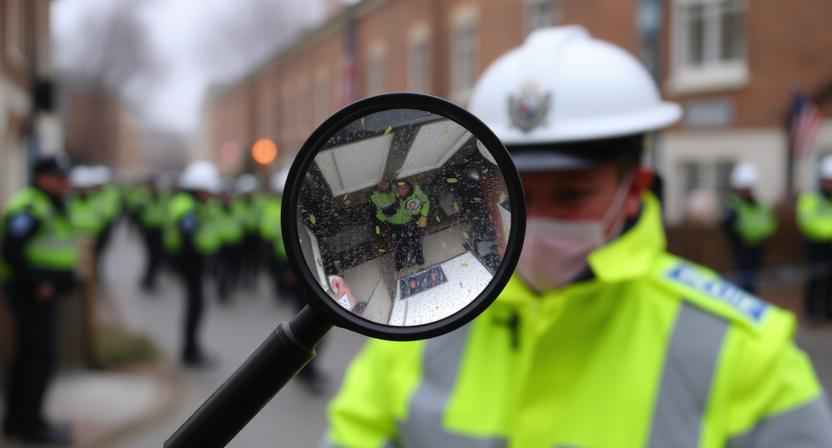
Introduction to Criminology: Explaining Crime
Introduction to criminology. Crime theories, criminal behavior types, and social influences.
Course Description
This course introduces criminology and explains crime from multiple perspectives. You will learn about classical and contemporary theories of crime, types of criminal behavior, and the social factors that influence criminal activity.
Course Curriculum
5 sections • 14.25 hours total length
-
What is Criminology and Why Study It? (12m)
Define criminology and its real-world applications. Learn how understanding crime helps society and why it matters for your career or studies.
-
Key Historical Figures in Criminology (18m)
Explore pioneers like Lombroso and Durkheim. See how their ideas shaped modern crime explanations and what we still use today.
-
Crime vs. Deviance: Clarifying the Difference (8m)
Understand the legal and social distinctions. Learn how to identify and discuss crime in everyday contexts.
-
Types of Crime: From Theft to Violence (22m)
Categorize common crimes and their characteristics. Use a step-by-step guide to classify real-world examples.
-
Measuring Crime: Surveys and Statistics (15m)
Learn how crime data is collected and interpreted. Includes a downloadable template for analyzing local crime reports.
-
The Role of Media in Crime Perception (14m)
Examine how news and entertainment shape public views on crime. Discuss real cases where media influence was significant.
-
Ethics in Criminology Research (10m)
Review ethical guidelines for studying crime. Learn how to approach sensitive topics respectfully and accurately.
-
Biological Theories of Criminal Behavior (25m)
Explore genetic and physiological factors. Analyze case studies to see how biology interacts with environment.
-
Psychological Perspectives: From Freud to Modern Approaches (20m)
Understand mental health links to crime. Learn practical assessment tools used in real-world settings.
-
Sociological Theories: Social Learning and Strain (30m)
Dive into how society influences crime. Apply theories to community-level examples with a problem-solving session.
-
Subcultural and Labeling Theories Explained (18m)
See how groups and labels affect behavior. Use real case analysis to discuss youth gangs and stigma.
-
Routine Activities Theory: Crime Opportunity (16m)
Learn how everyday routines create crime chances. Includes a guide to assessing personal and community risks.
-
Victimology: Understanding the Victim's Role (22m)
Study victim characteristics and patterns. Explore how victim support systems work in practice.
-
Crime Patterns and Hot Spots Mapping (28m)
Use GIS basics to identify crime clusters. Practice with a downloadable mapping tool for local data.
-
Comparing Crime Across Cultures (15m)
Analyze international crime rates and causes. Discuss global case studies to broaden your perspective.
-
Cybercrime: Modern Threats and Explanations (32m)
Explain online crimes like fraud and hacking. Learn prevention tips with real-world examples from recent cases.
-
The Criminal Justice System Overview (20m)
Map out police, courts, and corrections. See how each part responds to crime with a step-by-step flowchart.
-
Policing Strategies: Community vs. Reactive (19m)
Compare approaches and their effectiveness. Analyze real cases where strategies succeeded or failed.
-
Courts and Sentencing: How Decisions Are Made (24m)
Understand legal processes and biases. Includes a problem-solving session on sentencing disparities.
-
Corrections: Prisons, Probation, and Rehabilitation (26m)
Examine different correctional methods. Learn about recidivism and what works in rehabilitation programs.
-
Restorative Justice: Alternative Approaches (17m)
Explore victim-offender mediation. Discuss case studies where restorative justice reduced crime.
-
Juvenile Justice: Special Systems for Youth (21m)
Learn how young offenders are handled. Use a real case study to analyze prevention programs.
-
White-Collar Crime: Corporate and Financial Offenses (23m)
Explain crimes by professionals. Analyze famous cases and their societal impacts with downloadable reports.
-
Crime Prevention Strategies: What Works? (27m)
Review evidence-based prevention. Step-by-step guide to designing community safety plans.
-
Gender and Crime: Differences in Offending (19m)
Investigate how gender affects crime patterns. Use real data to discuss women in crime and justice.
-
Race, Ethnicity, and Crime: Systemic Issues (30m)
Examine disparities in policing and sentencing. Includes case analysis of racial bias in crime reporting.
-
Organized Crime: Networks and Operations (25m)
Study groups like mafias and gangs. Analyze real operations and law enforcement responses.
-
Terrorism and Political Crime (28m)
Define and explain political offenses. Discuss modern threats and countermeasures with case studies.
-
Drugs and Crime: The Connection (22m)
Explore how substance use drives crime. Learn about policy debates and real-world impacts.
-
Environmental Crime and Green Criminology (18m)
Understand crimes against nature. Use case studies to discuss pollution and wildlife trafficking.
-
Technology and Crime: Surveillance and Privacy (20m)
Analyze how tech aids and hinders crime. Includes a guide to ethical use of surveillance tools.
-
Global Crime Trends and International Cooperation (24m)
Look at worldwide crime patterns. Learn how countries work together on issues like human trafficking.
-
Applying Criminology in Your Community (16m)
Step-by-step guide to local crime analysis. Use a downloadable template for community projects.
-
Careers in Criminology: From Academia to Law Enforcement (21m)
Explore job options and required skills. Includes real interviews with professionals in the field.
-
Research Methods for Criminology Students (25m)
Learn surveys, interviews, and data analysis. Practice with a problem-solving session on a research topic.
-
Writing Reports and Proposals in Criminology (18m)
Improve your communication skills. Use a template for crime analysis reports and policy proposals.
-
Networking and Professional Organizations (12m)
Build connections in the field. Learn about groups like the American Society of Criminology.
-
Continuing Education: Certifications and Advanced Degrees (15m)
Plan your learning path. Review options for certifications in areas like victim advocacy.
-
Ethical Dilemmas in Criminology Practice (20m)
Discuss real ethical challenges. Use case studies to practice decision-making.
-
Staying Updated: Current Research and News (14m)
Find reliable sources and trends. Includes a guide to following criminology journals and podcasts.
-
Final Project: Analyze a Local Crime Issue (30m)
Apply all concepts to a real case. Step-by-step project with peer review and instructor feedback.
-
Next Steps: Building Your Criminology Portfolio (17m)
Create a portfolio showcasing your work. Includes downloadable templates for case studies and research summaries.
Course Details
- Duration: 14.25 hours
- Level: Adaptative
- Language: English
- Lessons: 42+ video lessons
- Categories: Criminology
- Access: Lifetime access
- Device: Mobile & Desktop
- Certificate: Yes. After completion and Exam
The course is totally free. Seriously appreciated attribution