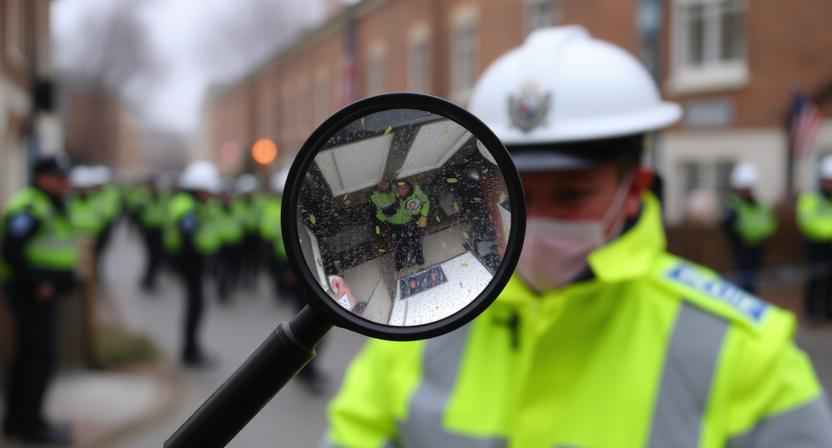
Criminal Profiling in Forensic Psychology
Criminal profiling in forensic psychology. Theory, methodologies, and investigative applications.
Course Description
This course introduces criminal profiling in forensic psychology. You will learn the theoretical foundations, profiling methodologies, and how psychological principles are applied to criminal investigations.
Course Curriculum
5 sections • 15.25 hours total length
-
What Criminal Profiling Actually Is (12m)
Cut through the myths and understand the real definition and history of criminal profiling in forensic psychology.
-
Key Psychological Theories Behind Profiling (18m)
Learn the core psychological concepts that form the basis of modern profiling methods.
-
Ethics and Legal Boundaries in Profiling (22m)
Understand the ethical considerations and legal limits of working as a forensic psychology professional.
-
The Role of a Forensic Psychologist in Investigations (15m)
See how profiling fits into the larger criminal justice system and investigative process.
-
Case Study: Breaking Down a Famous Profile (28m)
Analyze a well-known criminal profile to understand what worked and what didn't.
-
Setting Up Your Professional Toolkit (10m)
Get a downloadable checklist of essential resources and references for forensic psychology work.
-
Avoiding Common Beginner Mistakes (14m)
Learn the top pitfalls new profilers face and how to avoid them from day one.
-
Crime Scene Analysis Fundamentals (25m)
Step-by-step guide to reading a crime scene for behavioral clues that inform profiling.
-
Victimology: Understanding the Target (20m)
How victim characteristics can reveal crucial information about offender motivation.
-
Modus Operandi vs. Signature Behaviors (17m)
Practical distinction between practical crime methods and personal psychological signatures.
-
Geographic Profiling Basics (23m)
Learn how location patterns help narrow down offender residence and work areas.
-
Threat Assessment for Stalking and Harassment (19m)
Apply profiling techniques to assess risk in non-violent but threatening criminal behavior.
-
Interview Techniques for Information Gathering (21m)
How to conduct effective interviews that yield profiling-relevant information.
-
Behavioral Evidence Analysis Step-by-Step (26m)
A structured framework for analyzing crime scene evidence through a behavioral lens.
-
Case Study: Serial vs. Spree Offenders (31m)
Compare profiling approaches for different offender types using real examples.
-
Building Your First Profile Draft (16m)
Hands-on exercise creating a basic offender profile from sample crime data.
-
Personality Disorders in Criminal Behavior (24m)
Understanding how specific disorders manifest in criminal patterns and what to look for.
-
Motivation Analysis: Why Crimes Happen (20m)
Frameworks for determining offender motivation from behavioral evidence.
-
Risk Assessment and Danger Prediction (27m)
How to use profiling insights to assess future criminal risk and danger.
-
Cultural and Demographic Factors in Profiling (18m)
Avoiding bias by incorporating cultural and demographic context into your analysis.
-
Digital Footprints and Cyber Profiling (22m)
Modern profiling techniques for crimes involving digital evidence and online behavior.
-
Case Study: Complex Multi-Victim Cases (35m)
Deep analysis of a challenging case requiring integrated profiling approaches.
-
Peer Review and Validation of Profiles (14m)
How to get your profiles reviewed and validated by other forensic psychology professionals.
-
Working with Law Enforcement Teams (19m)
Practical guidance on collaboration and communication with investigative units.
-
Writing Effective Profiling Reports (21m)
Downloadable template and guide for creating clear, actionable profiling reports.
-
Presenting Profiles in Court (23m)
How to explain profiling concepts to judges and juries in understandable terms.
-
Case Study: Cold Case Re-Examination (28m)
Apply profiling techniques to an old case with fresh evidence and new perspectives.
-
Managing Profiling Workload and Stress (15m)
Self-care and organizational strategies for forensic psychology professionals.
-
Budget and Resource Constraints in Profiling (12m)
How to work effectively when limited by departmental resources and budgets.
-
Technology Tools for Modern Profilers (20m)
Software and digital tools that enhance profiling accuracy and efficiency.
-
Case Study: International Criminal Profiling (32m)
Exploring how profiling adapts across different legal systems and cultures.
-
Building Your Professional Network (11m)
Strategies for connecting with other forensic psychology professionals.
-
Ethical Dilemmas in Real Cases (26m)
Problem-solving session on handling ethical challenges in actual profiling work.
-
Getting Your Forensic Psychology Certificate (16m)
Step-by-step guide to the certification process and requirements.
-
Building a Portfolio of Profiling Work (18m)
How to document and showcase your profiling skills to potential employers.
-
Job Paths in Criminal Profiling (14m)
Explore career options in law enforcement, consulting, and academic settings.
-
Interview Preparation for Forensic Roles (20m)
Common interview questions and how to demonstrate profiling competence.
-
Continuing Education in Forensic Psychology (12m)
Resources and programs for staying current in this evolving field.
-
Case Study: Profile That Led to an Arrest (30m)
Complete walkthrough of a successful profiling case from start to resolution.
-
Starting Your Own Profiling Consultancy (22m)
Business basics for independent forensic psychology professionals.
-
Advanced Certification Options (15m)
Overview of specialized certifications beyond the basic forensic psychology certificate.
-
Mentorship in Forensic Psychology (13m)
How to find and work with mentors in the field of criminal profiling.
-
Final Project: Complete Profile Creation (38m)
Apply all learned techniques to create a comprehensive profile from a full case file.
-
Course Wrap-Up and Next Steps (9m)
Review key takeaways and create your personal development plan.
-
Resources and Further Reading (11m)
Curated list of books, journals, and organizations for continued learning.
-
Building a Career Roadmap (17m)
Create a personalized 5-year plan for your forensic psychology career.
Course Details
- Duration: 15.25 hours
- Level: Adaptative
- Language: English
- Lessons: 46+ video lessons
- Categories: Criminology
- Access: Lifetime access
- Device: Mobile & Desktop
- Certificate: Yes. After completion and Exam
The course is totally free. Seriously appreciated attribution